Mission to Puerto Rico

Puerto Rico Mission Trip Commissioning
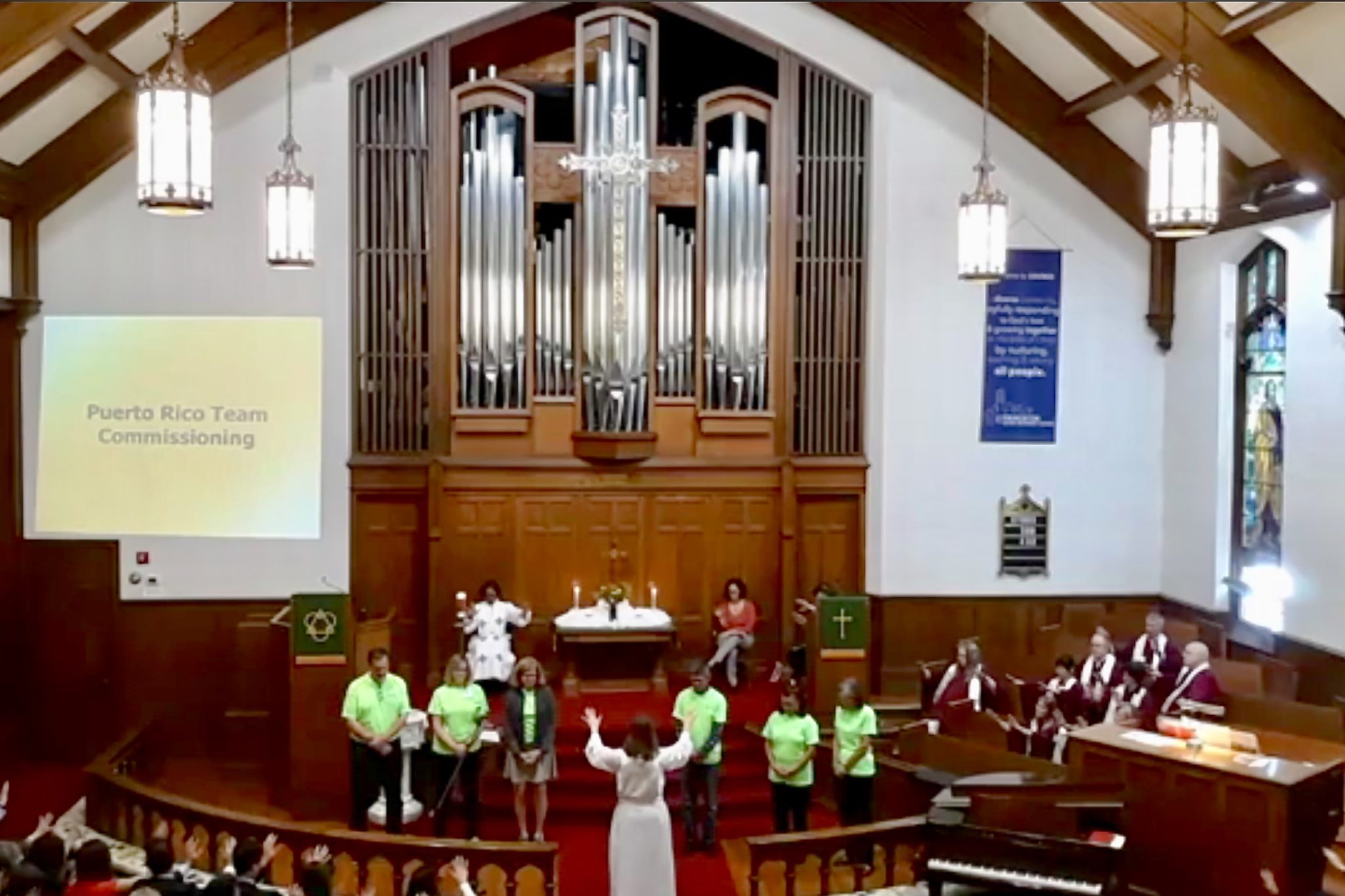
Puerto Rico Team Commissioning

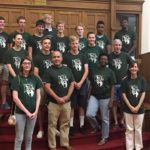
On Sunday, September 30, Princeton UMC will commission those leaving on October 6 for a mission trip to Puerto Rico. They include Rev. Ginny Cetuk, Norman Cetuk, Rev. Skitch Matson, Susan Davelman, Lori Pantaleo, Timothy Ewer, Jennifer Hartigan, and T.J. Lee. From other churches: Jesse Bickford, Jennifer O’Donnell, Paul Elyseev, and Eunice Vega-Parez.

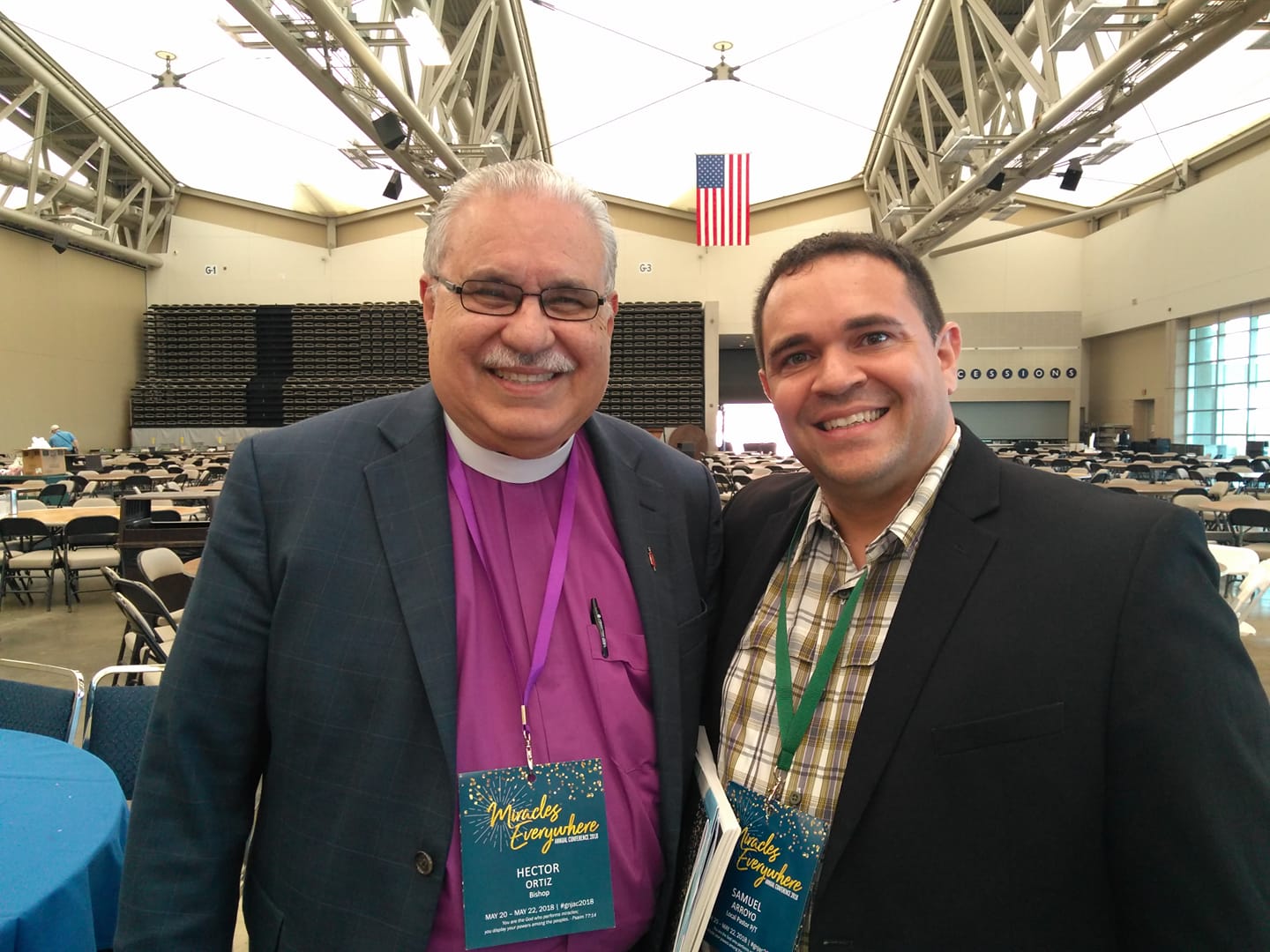
Pastor Sammy Arroyo and Bishop Hector Ortiz
Bishop Hector Ortiz and Pastor Sammy Arroyo

In this video by Robin Birkel, we hear from a Puerto Rican native, Pastor Sammy Aroyo of Hightstown United Methodist Church. “Puerto Rico needs your help.”

Sermon “By God: Gifts for Giving”

On September 23, 2018, Pastor Ginny Cetuk preached on the sermon series “By God” on the topic ‘Gifts for Giving’. Her text was 1 Corinthians 12: 4-11.

To hear the sermon live, go to the Princeton United Methodist Church Facebook page

Also the sermon will be podcast soon on this webpage under the category “worship”.
Pastor Ginny began by suggesting Paul had a problem. He was up against some attitudes and behaviors that had sprung up in the church at Corinth. And they weren’t good.

When we read the scriptures we see what is happening in the communities of the time since often they are being exhorted to change their behaviors. For example, in this letter to the Church at Corinth, Paul reminds the people that God chose the lowly so that no one would be able to boast before God. And he tells them not to be boastful.

So we know that they were boastful, don’t we? Indeed, they were.

Corinth was one of the largest cities in the region and five times as large as Athens.

Paul arrived at Corinth for the first time in the 49 or 50 AD and he found that Corinth was exceptionally diverse in every way – including race and religion – and a major center of commerce as well as the capital of the Province. All faiths of the time were represented in this cosmopolitan city, including worship of the emperor and his family.

Paul lived in Corinth for 18 months and it was here he came to know Priscilla and Aquila with whom he later traveled. Paul knew Corinth well and started a number of Christian communities while there. He loved the city and its people and wrote 4 letters, two of which were lost.

In the letter we read today Paul is clearly concerned about developments across the faith communities in Corinth. In the first several chapters of the letter he talks about the following: divisiveness; taking each other to court; offering food to idols; and class divisions at the communal meal – Communion – in which the poorer people did not receive the same amount of food (bread and wine) as others.

He writes in Chapter 11: 21-22:
20 When you come together, it is not the Lord’s supper that you eat. 21 For in eating, each one goes ahead with his own meal. One goes hungry, another gets drunk. 22 What! Do you not have houses to eat and drink in? Or do you despise the church of God and humiliate those who have nothing? What shall I say to you? Shall I commend you in this? No, I will not.

Paul is hopping mad for sure…..but his heart is filled with love for these Corinthian Christians….all 40-150 of them…we can’t be sure….

As the letter goes on, we can see that Paul knows they misunderstand something very fundamental. And he does not blame them for that. Instead, he teaches them about the nature of God. For that is what they misunderstand. And they had this misunderstanding because they had absorbed notions about privilege in their very strictly stratified world and those notions had crept into the church.

If we look at their behaviors, we see that they didn’t understand why God would give the gifts Paul was talking about. They thought that some gifts were better than others and that those better gifts were given to the better people. Of course, there were no “better people”…but they didn’t know that, for their society told them differently. Christianity at the time – as it is today as well – was a truly counter-cultural religion.

And they were still learning….

In the passage from 1 Corinthians 12 read for today, Paul is talking about God-given gifts and how we use them for the common good.

Hear my conversation with God here

For more from this message, click here

Clothing Closet: Princeton Cornerstone Community Kitchen

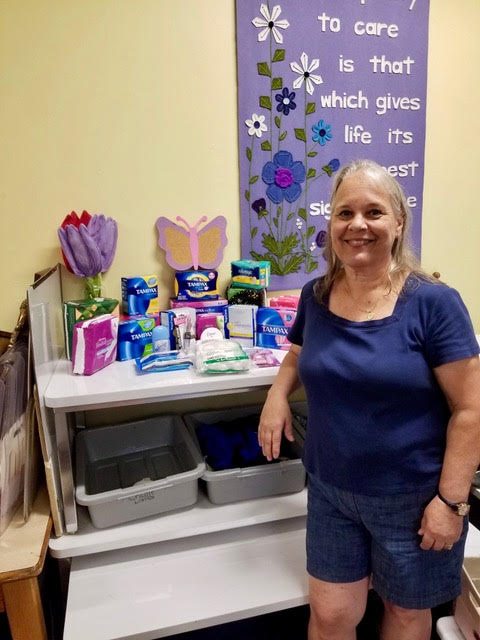
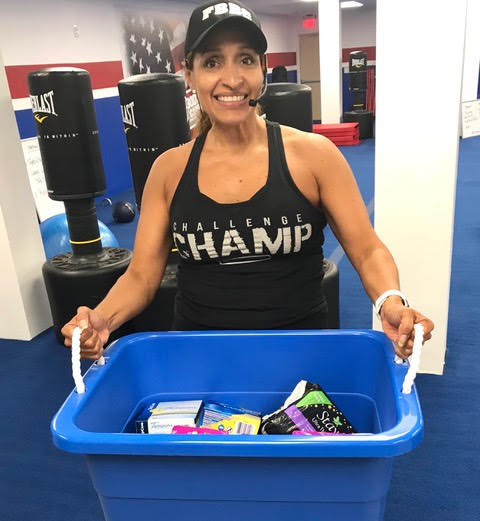
Judy Miller, manager of the Clothing Store at Princeton Cornerstone Community Kitchen, shown here with donations for PrincetonPeriod

Q&A with Judy Miller, manager of the Clothing Store at Princeton Cornerstone Community Kitchen, where she is also a board member. She arranges the table decor for each Wednesday meal, and she distributes clothing and other needed items during CCK meals.

Who gets the clothes?

The clothing is distributed at CCK dinners which are a fun place to sit and chat with folks from all different ages and stages. We have international students who come to practice their English skills, we have retirees, young families (primarily Spanish speaking), we have all ages and stages, quite a mix of people, nice people.

Under the new program, PrincetonPeriod, you are now also accepting feminine hygiene products? 

Yes, we are providing tampons and pads for girls and women who don’t have easy, reliable, affordable access to them.

What’s the best part of running the Clothing Closet?

I take the job of distribution very seriously. If someone’s been kind enough to gift us with certain resources, I really try to find that next home thoughtfully to match the gifted item with the need. Sometimes that is apparent immediately and sometimes it takes a while to achieve that best match.

The donation closet is always packed full. Where do those bags come from?

We get quite a range of clothes. For the kind of store that we are, we get above average quality. Some of it comes from consignment stores that we have a relationship with. And then we have students, who treat their clothes like students treat clothes! You have to sort of laugh!

What happens to the ‘less worthy’ donations?

I do a couple of loads of laundry a week to rescue things. If they realize their potential they get to come back to the store, if they don’t, they go to textile recycling.

Can you share any stories?

To protect privacy, I can’t provide details. Most of the time the items are distributed within the CCK population, but occasionally we have an opportunity to serve an international or county need by partnering with some other agency. For example, a Pakistani student at the seminary asked if there were things she could take to her own country. So a small number of backpacks and school supplies and clothing went with her. along with a suitcase to put it all in. We had a group of our CCK participants from Guatemala who still have family – in some cases children – still in that country. They asked if there was infants and children’s clothing that would be off season to us, but in season to them, that they could send.

More recently we partnered with Witherspoon Presbyterian Church to help repair their windows. Some items we weren’t able to find home for – because of size or season or some specific feature – we passed along to enhance what they could offer at their thrift sale.  That’s an example of a local use of resources sent to a different location that had great merit. In some cases, selected items sent elsewhere makes sense.

Thank you, Judy, for your dedicated service! To volunteer to help in Cornerstone Community Kitchen, click here. 

Princeton Cornerstone Community Kitchen: Princeton Period

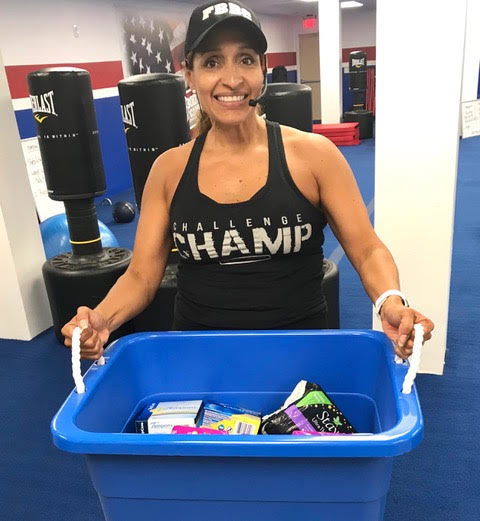
Monica Rosado - Princeton Period Project - Princeton Cornerstone Community Kitchen
Monica Rosado – Princeton Period Project

Founded in 2012 as a non-sectarian ministry of the Princeton United Methodist Church, Princeton Cornerstone Community Kitchen has provided more than 25,000 meals to our guests at our free weekly no-questions-asked dinners.

A new, pioneering program – PrincetonPeriod.org – has been established to further meet the needs of our neighbors. It provides feminine hygiene products (tampons and pads) for girls and women who don’t have easy, reliable, affordable access to them. Not having these products can be embarrassing and limiting – and cause potential health risks. For information, go to www.PrincetonPeriod.org.

Donors are coming through PUMC’s doors to bring products. They are making contributions electronically (through our website) and by check (administered by our financial team).In other words, we help PCCK and all its programs by keeping the building open (lights and heat on) and also with our financial volunteers. PCCK credits PUMC this help on its website:

PCCK, a completely non-sectarian program open to the entire community, operates within the Princeton United Methodist Church (PUMC). While we are an independent Section 501(c)(3) public charity (Tax ID 46-4758389), we share a number of church resources to keep our expenses down.  

Six years ago, almost all of the Princeton Cornerstone Community Kitchen volunteers belonged to the church and a loyal core continues to help faithfully. It’s wonderful that PCCK has attracted so many partners and volunteer help from elsewhere. However Larry Apperson (our inspired founder of PCCK) suggests that many more volunteer opportunities exist. Whatever your skill, PCCK has a place for it! To volunteer for Princeton Cornerstone Community Kitchen, go to www.princetoncornerstone.org

Sermon “Body Building: Equipped”

The Body of Christ

On Sunday September 16, 2018, Pastor Smith Walz preached from the sermon series “Body Building” on the topic ‘Equipped’. Her sermon is based on the scripture reading ‘One Body With Many Members’ from 1 Corinthians 12:12-31

To hear the sermon live, go to the Princeton United Methodist Church Facebook page here

Also the sermon will be podcast soon on this webpage under the category “worship”.
This is a summary of her message:

What is your part in the Body of Christ? Are you a Foot? A Heart? A Hand? Brain? Arm? Knee? Eye? Ear? Mouth? Funny Bone? Stomach?
The Body of Christ
Hundreds of different parts work together.

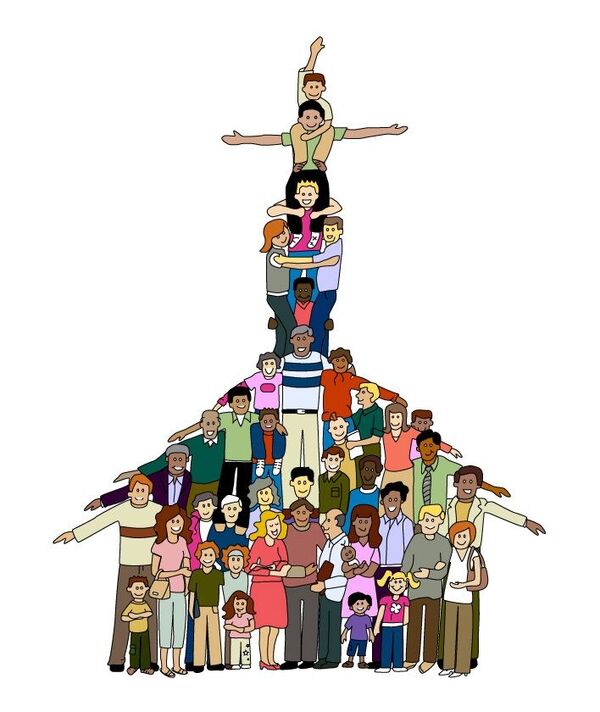
This is the image Paul uses to talk about the Church, which we also call the Body of Christ. But Paul also uses humorous images to tell us there is no hierarchy in the Body of Christ.

EVERY part matters. EVERY ONE matters. EVERY ONE is needed to be the body, to be whole. Those who do manual jobs are no less important than the elected leaders or speakers. Those who work behind the scenes are just as crucial as the ones who are seen and heard. What then is your part in the Body of Christ?

Last Sunday, if you heard nothing else from the sermon of the same series ‘Body Building’, I hope you heard “You are called!” Each one of you is called by God to do God’s work of love, reconciliation and unity in the world. God equips you with one or several spiritual gifts to enable you to fulfill that calling. As we become aware of our calling and the gifts the Holy Spirit has given us to do the work, we find our place in the Body of Christ.

You are called! You are gifted! And you play a crucial role in the Body of Christ, which is the Church.

I was called to be a pastor. So, God helped me over the years to overcome my fear of public speaking, with the guidance and support of friends. And I’ve continued to hear God’s call on my life to be a pastor and to help others too. Thus, through my preaching, I am seeking to engage you, teach, inspire, connect you with God, and with your everyday life. The Holy Spirit called me, equipped me with gifts and I align myself with God’s call. My gifts are teaching, knowledge, shepherding, administration, leadership.

You too are called, you are gifted! You are equipped! God has called you. God has equipped you with one or more gifts. These are your natural gifts. You have to open the gift, use the gift, allow the Holy Spirit to keep equipping you – an active aligning of oneself with God’s intentions, open to being used by God.

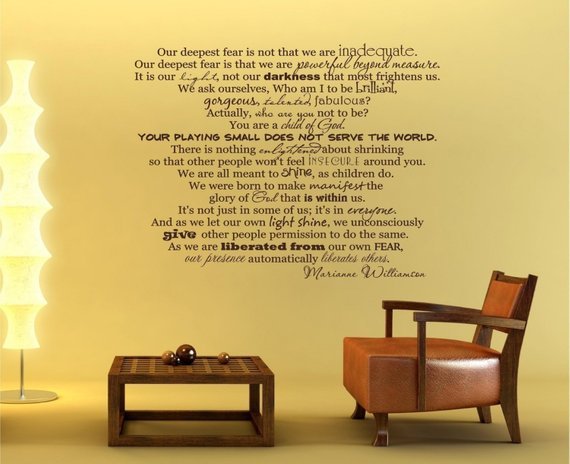
Therefore, Let Your Light Shine

Written by Isabella Dougan

Renew, Rebuild, Reconstruct – in Puerto Rico

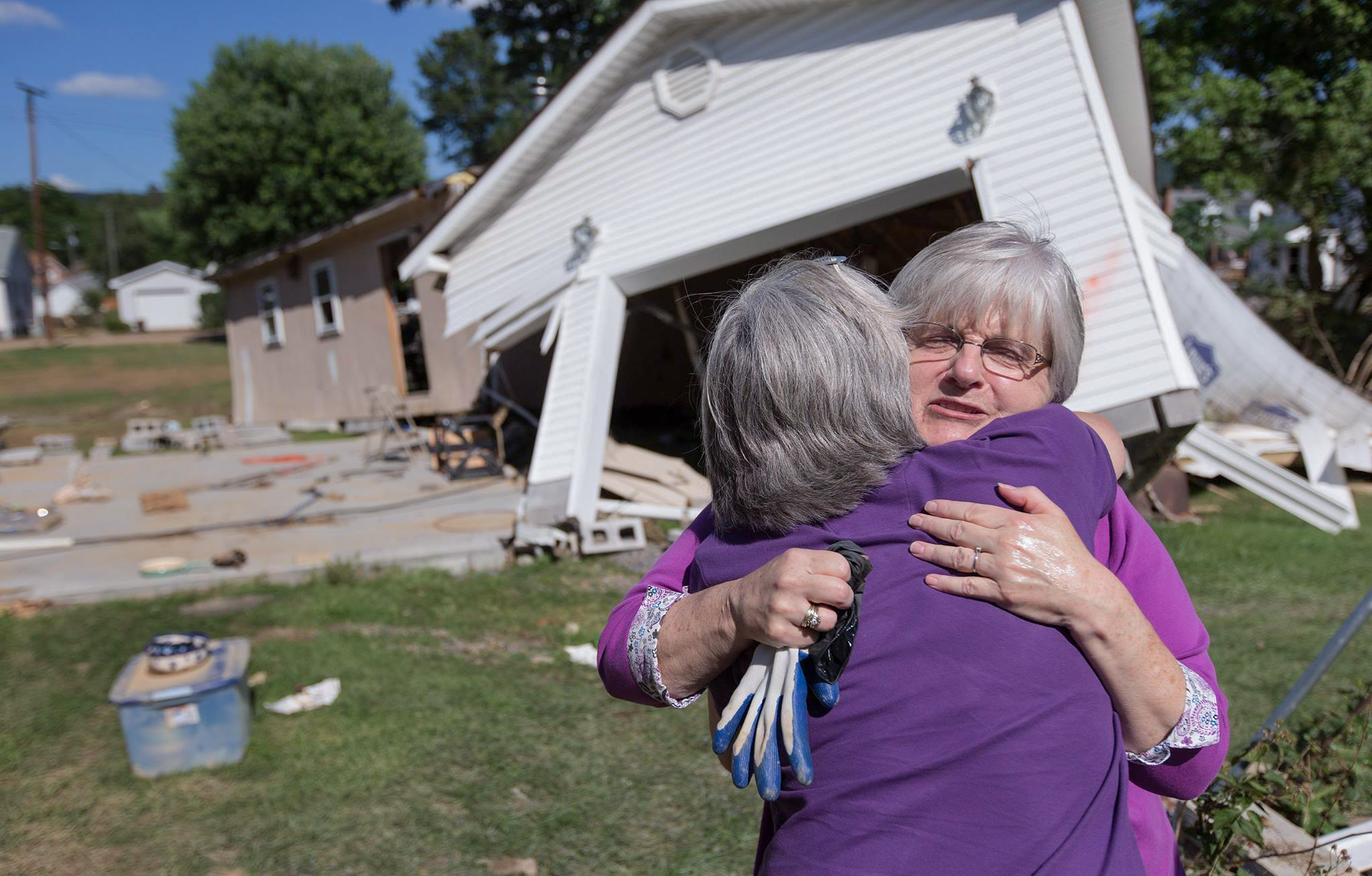
 In the year since Hurricane Maria swept across Puerto Rico on Sept. 20, 2017, The United Methodist Church has been sending prayers and support. The United Methodist Committee on Relief has contributed more than $20 million, allowing the Methodist Church of Puerto Rico to establish the Renew, Rebuild and Reconstruct (Rehace) program.

From October 6 to October 13 small band of enthusiastic Christians from Princeton UMC, and some from other United Methodist churches in New Jersey, will travel to Puerto Rico. “The reason we are going is to help people feel a little more love and more restored in terms of their homes and their lives, through the various kinds of work we will do,” says Rev. Ginny Cetuk. She and her husband, Norman, and Rev. Skitch Matson, are leading the team.

Princeton UMC’s Outreach committee is partnering with the Greater New Jersey Annual Conference, which is connected to the United Methodist Church of Puerto Rico and Bishop Ortiz. “He will essentially be our leader and director – to tell us where the need is, and that’s where will go,” says Pastor Ginny. “We will do everything we can from helping build a roof to having conversations with people to let them know we love them.”

Princeton UMC people making the trip along with the Cetuks and Skitch Matson are Susan Davelman, Lori Pantaleo, Timothy Ewer, Jennifer Hartigan, and TJ Lee. From other churches: Jesse Bickford, Jennifer O’Donnell, Paul Elyseev, and Eunice Vega-Perez.

Says Pastor Ginny:  “We are eager to do this work and ask everyone’s prayers that we will be maximally helpful and return home safe and sound.”

In this video we learn how United Methodists (UMCOR) provide both physical and emotional support

In this video we learn how one Puerto Rican woman was grateful for UMCOR help. 

Editor’s note: if you missed this trip but want to help plan or go on the next one, contact the Outreach Committee!


Sermon: “Swing Forward: Growing Pains”

Rev. Jenny Smith Walz preached on September 2, 2018 in the sermon series “Swing Forward”, on the topic ‘Growing Pains’.
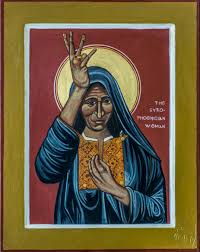
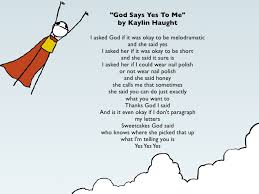
Her message is based on the Syrophoenician Woman’s Faith in Mark 7:24-30.

She begins by asking some challenging questions – Who is the church for? Who is PUMC for? For whom will we exist in 20, 50, 80, 100 years? She concluded there was not just one answer.

To hear the sermon live, go to the Princeton United Methodist Church Facebook page here

Also the sermon will be podcast soon on this webpage under the category “worship.”

Of the four gospels, Mark portrays Jesus as the most human. This allows us to see how Jesus might develop and grow. It’s still surprising to us to hear Jesus calling the woman a ‘dog’, but knowing Jesus is fully human could lessen that surprise a bit. Jesus is open to compassion and love and heals her daughter. Here we see the Kingdom of inclusion, which though not new in theory remains new to us in practice. The disciples were more offended that Jesus healed the woman’s daughter than he called her a dog. While we are offended that Jesus called her a dog, we are not so quick to notice the “dogs” of the world or to offer them healing.

Rev. Smith Walz made reference to Kaylin Haught and Karoline Lewis.

Learn also how Karoline Lewis gets Jesus to change his mind.

Rev. Smith Walz’s message is that church is for everyone. She encouraged everyone to come to church:
the children, who are not saying they left church but that their church left them behind;
– the young adults, the majority of whom feel lonely and disconnected;
those dealing with homelessness;
those who have experienced spiritual trauma, for whom we need to envision a healing center.

We need to share God’s love with them, share the fullness of life that we’ve found. Together with them, we need to discover more of who God is, living more fully in God’s kingdom.

Rev. Smith Waltz feels sadness when people call wondering whether they are welcome at church for all kinds of reasons, notably that they are different or they have nothing to give. She feels sadness also that people don’t call or won’t come to church for many reasons, not least that they don’t actually experience God at church or that their spiritual hunger isn’t being satisfied.

The good news is that Jesus knows our struggles and has compassion for us, but above all God invites us to the Table to serve us a feast, even as we are “unworthy of the crumbs’. Jesus came to save people not to exclude them.

Finally, the church is there to pass on the tradition from one generation to another.

— Isabella Dougan